
Tag: Recipes

  • Nonna’s Polpetta

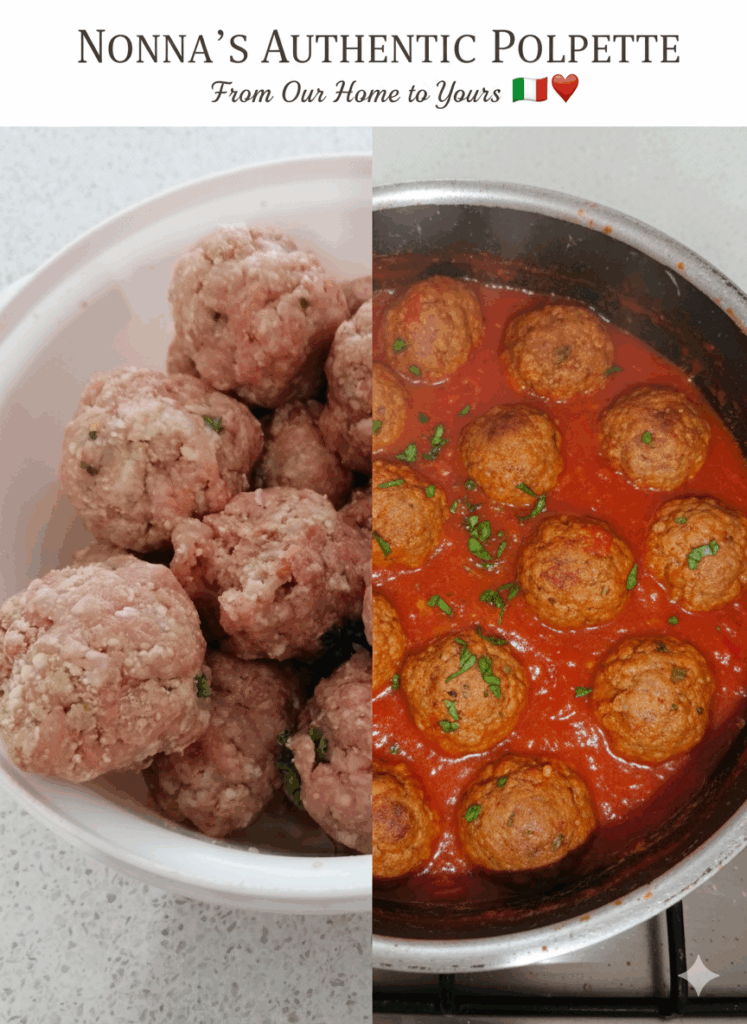
    Nonna’s Authentic Polpette al Sugo (Italian Meatballs in Sauce)

    ​This one is special to me 🇮🇹❤️ My Nonna, from a tiny village called Foglianise in Benevento, made meatballs (polpette) that tasted like comfort, history, and home. A traditional recipe with no shortcuts—using stale bread soaked in milk for ultimate tenderness—and it absolutely deserves to be shared.

    ​Key to Authenticity: The Panade

    ​Nonna’s secret to a juicy polpetta is the panade (the soaked bread). This replaces filler with moisture, ensuring the meatballs stay tender while simmering in the sauce.

    ​Ingredients (Makes Approx. 20-25 Polpette)

    IngredientQuantity (Adjust to taste)
    Ground Meat500g (Mix of 50% Beef, 50% Pork)
    Stale Bread2 thick slices (crusts removed)
    Milk120ml (approx.)
    Parmigiano Reggiano60g (freshly grated)
    Egg1 large (lightly beaten)
    Fresh Parsley2 Tbsp (finely chopped)
    Dried Oregano1 tsp
    Garlic1 clove (minced or finely grated)
    Breadcrumbs3 Tbsp (if needed for binding)
    Salt and Black PepperGenerous seasoning
    For Frying (Optional)Olive Oil (a light coating)

    Method: No Shortcuts, Just Flavour

    ​Step 1: Prepare the Base (The Panade)

    1. Soak the Bread: Tear the stale bread into small pieces and place it in a small bowl. Pour the milk over the bread and let it soak for about 5-10 minutes until the bread is fully saturated and soft.
    2. Squeeze: Gently squeeze the excess milk out of the bread. Reserve the milk—you might need it later if the mix is too dry. Place the moist bread into a large mixing bowl.

    ​Step 2: Combine the Filling

    1. Mix Ingredients: To the bread in the large bowl, add the ground beef and pork mix, the freshly grated Parmigiano Reggiano, the beaten egg, parsley, oregano, garlic, and the generous seasoning of salt and black pepper.
    2. Gently Combine: Using your hands, gently mix all the ingredients together. Nonna’s Tip: Do not over-mix! Over-mixing makes the meatballs tough. Mix just until everything is combined and uniform. If the mixture is too wet, add a tablespoon of breadcrumbs at a time until it’s easy to roll.

    ​Step 3: Roll and Shape

    1. Form the Polpette: Scoop up a generous amount of the mixture into your hand and gently roll it into balls. Nonna always made them bigger than standard meatballs—this made them lovely and juicy, preventing them from drying out during the long simmer.

    ​Step 4: Simmer in Sauce

    1. Prepare the Sauce: Make your favourite authentic Italian garlicy tomato sauce in a large, wide pot. The key is a rich, slow-cooked sauce.
    2. Gently Simmer: Once the sauce is simmering, gently nestle the meatballs into the sauce. They should be mostly submerged.
    3. Cook: Cover the pot partially and let the meatballs gently simmer in the sauce until they are perfectly tender, usually for 45 minutes to an hour. The simmering process allows the flavour of the meat and the sauce to meld beautifully.

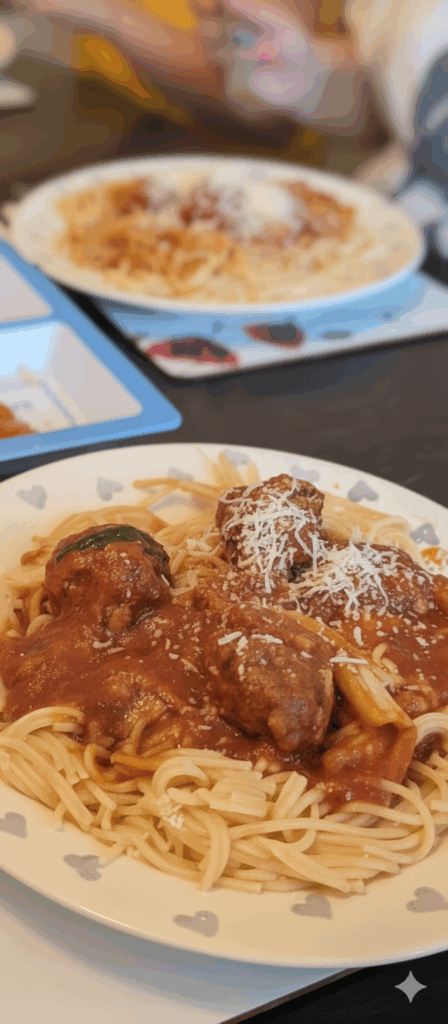
    ​Serve piping hot over spaghetti, or just enjoy them on their own with a crusty piece of Italian bread!
  • Making your own Cornish pasty

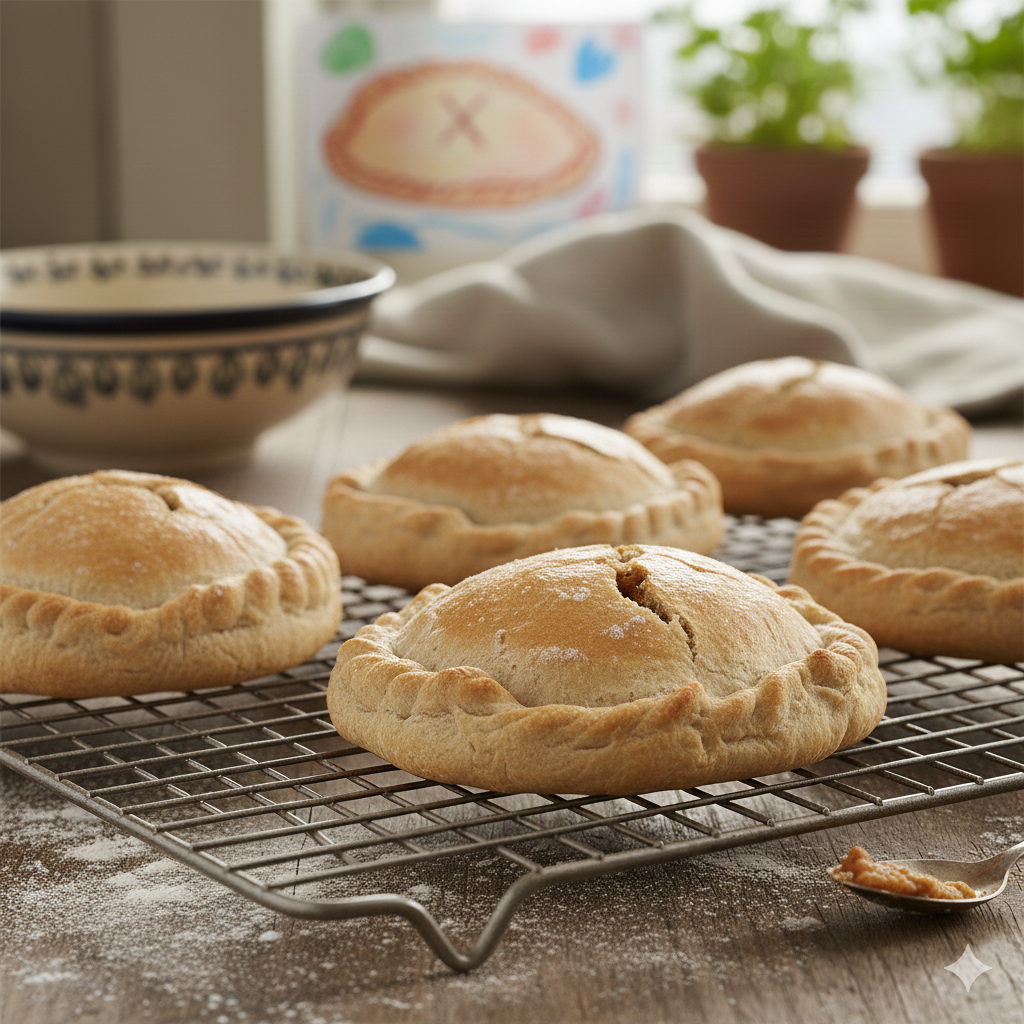
    Making your own authentic Cornish pasty is a very rewarding feat! The Cornish pasty is a traditional Cornish recipe, filled with a hearty mixture of beef, potatoes, onion, and swede (rutabaga). Here’s a step-by-step guide to making them at home or where ever you make them.

    Ingredients:

    For the pastry:

    • 500g (4 cups) plain flour
    • 250g (1 cup) cold unsalted butter (cubed)
    • 1 tsp salt
    • 150-200 ml cold water

    For the filling:

    • 300g (10 oz) beef skirt or chuck (cut into small cubes)
    • 2 medium potatoes (peeled and finely diced)
    • 1 medium onion (finely chopped)
    • 1 small swede (rutabaga), peeled and finely diced
    • Salt and pepper to taste
    • 1 tbsp fresh parsley (optional)
    • 1 tbsp butter (optional)
    • 1 egg (for egg wash)

    Step-by-Step Instructions:

    1. Prepare the Pastry:

    • Mix the dry ingredients: In a large mixing bowl, sift the flour and salt together.
    • Cut the butter: Add the cold, cubed butter to the flour. Using your fingers or a pastry cutter, rub the butter into the flour until the mixture resembles breadcrumbs.
    • Add water: Gradually add the cold water, 1 tablespoon at a time, mixing until the dough comes together. You may need slightly more or less water depending on the consistency.
    • Knead the dough: Turn the dough onto a floured surface and knead it gently for 1-2 minutes until smooth.
    • Chill: Wrap the dough in cling film and place it in the fridge for at least 30 minutes to firm up.

    2. Prepare the Filling:

    • Chop the filling ingredients: Peel and dice the potatoes, swede, and onion into small, even pieces. Cut the beef into small cubes, about 1cm each.
    • Mix the filling: In a bowl, combine the diced beef, potatoes, onion, and swede. Season generously with salt and pepper. If you like, add some fresh parsley for extra flavor.
    • Optional butter: Some people like to add a small knob of butter to the filling to keep it rich, but it’s not traditional and can be skipped if you want to keep it lighter.

    3. Assemble the Pasties:

    • Preheat the oven: Preheat your oven to 180°C (350°F).
    • Roll out the pastry: On a lightly floured surface, roll the chilled pastry out into a large rectangle or circle, about 3-4mm thick.
    • Cut out circles: Using a large bowl or a pastry cutter, cut out rounds from the pastry, about 20-25 cm (8-10 inches) in diameter.
    • Add the filling: Place a generous amount of the filling in the center of each pastry circle. Don’t overfill, or the pasty will be hard to seal. Leave a border around the edges.
    • Seal the pasty: Fold the pastry over the filling to form a half-moon shape. Press the edges together and crimp them tightly to seal the pasty. You can use your fingers or a fork to crimp the edges. Make sure there’s no gap where the filling could leak out.
    • Create a steam hole: Use a sharp knife to make a small slit or hole on top of the pasty to allow steam to escape during baking.

    4. Bake the Pasties:

    • Egg wash: Beat the egg and brush it over the top of each pasty to give them a golden, shiny finish.
    • Bake: Place the pasties on a baking sheet lined with parchment paper and bake them in the preheated oven for 45-55 minutes, or until the pastry is golden brown and crisp.

    5. Enjoy!

    • Once baked, let the pasties cool for a few minutes before serving. They’re best eaten warm, but you can also enjoy them cold (they’re perfect for picnics!).

    Tips:

    • Pastry Tip: If you’re short on time, you can use store-bought shortcrust pastry. However, homemade pastry will give you the best results.
    • Filling Variations: While the classic filling is beef, potatoes, swede, and onion, feel free to add other vegetables or swap out beef for lamb or chicken if you prefer.
    • Freezing: Cornish pasties freeze really well! If you want to make a big batch, freeze them before baking and then bake from frozen, adding an extra 10-15 minutes to the baking time.

    Now you have your own homemade Cornish pasties—enjoy!